← All posts

Total sugar vs added sugar... what's the difference??
By Michelle ยท November 21, 2026 ยท 3 min read

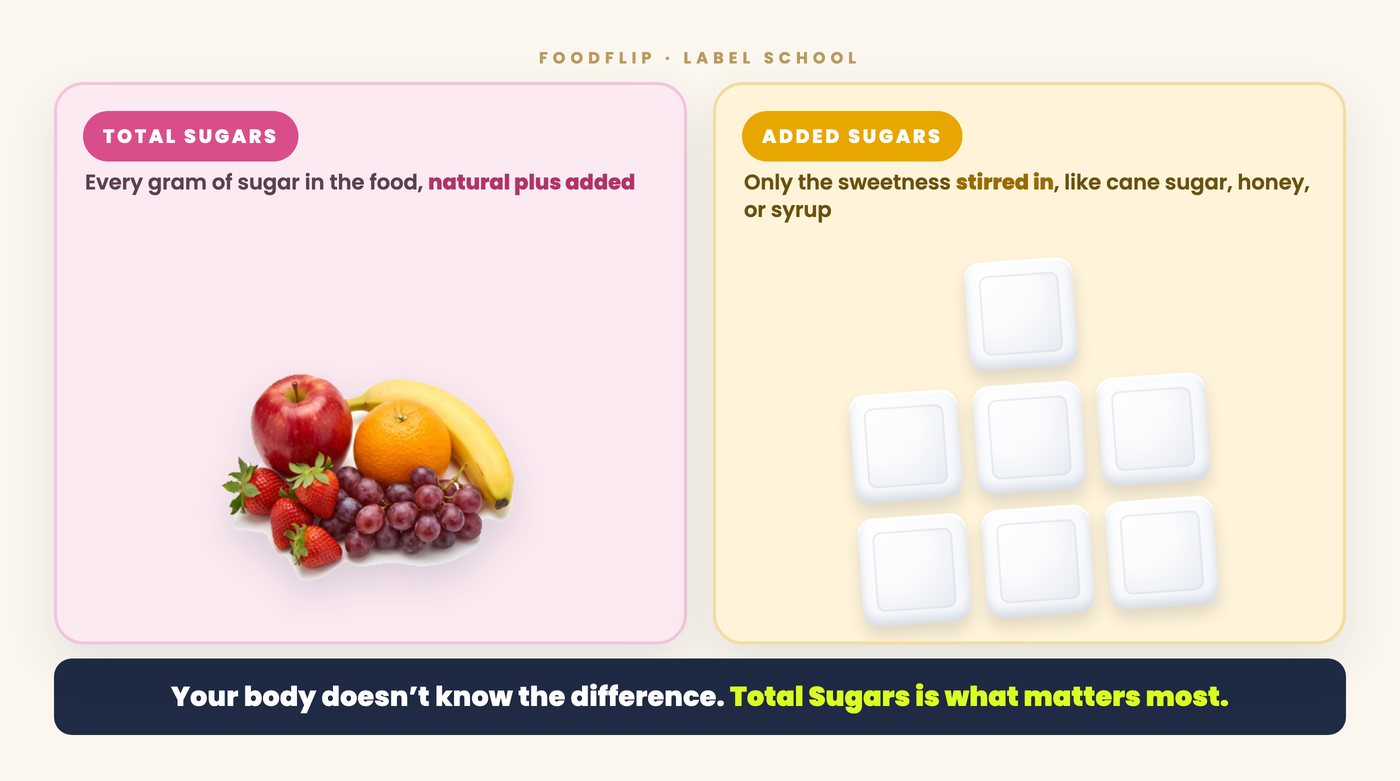
Total Sugars is the natural plus added sugar in a food, Added Sugars is only the sweetness stirred in, and your body treats them the same.
Added sugar is just the part of the Total Sugars that someone stirred in. Your body treats all of it the same, so Total Sugars is the number that matters.
Natural or added, a gram of sugar is a gram of sugar once it is inside you.

What's actually different?

Total Sugars
The whole number on the label
  • All the sugar in the food, the sugar that is naturally there plus anything added.
  • Includes the natural sugar in fruit (fructose), milk and yogurt (lactose), and juice.
Added Sugars
A line underneath the total
  • Only the sweetness someone put in, like cane sugar, honey, maple syrup, or high-fructose corn syrup.
  • It is a part of the Total Sugars, never a separate, extra amount on top.

Total Sugars = Natural + Added

Added sugar is counted inside the Total Sugars, not added to it. On a Nutrition Facts label, "Includes Xg Added Sugars" sits underneath the Total Sugars line for exactly this reason.

Total Sugars
the number that matters
=
Natural sugars
from fruit, milk, and juice
+
Added sugars
cane sugar, honey, syrup

Your body does not know the difference, so Total Sugars is what matters most.

"No added sugar" can still be loaded with sugar

A front-of-package "no added sugar" claim only means nothing was stirred in. The food's own natural sugar still counts, and it can be a lot.
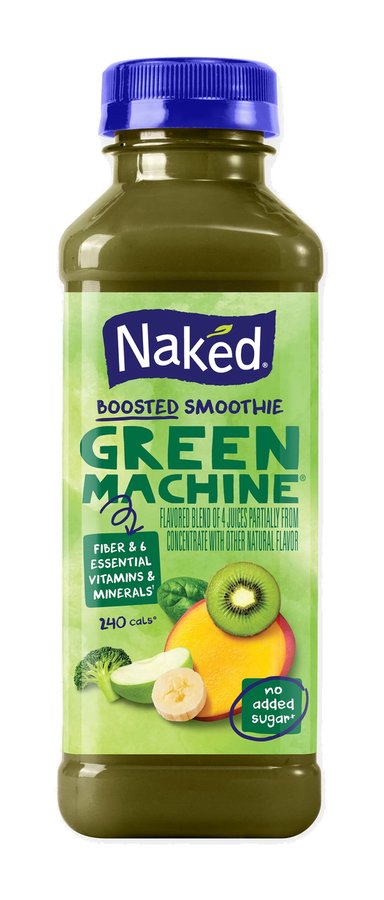
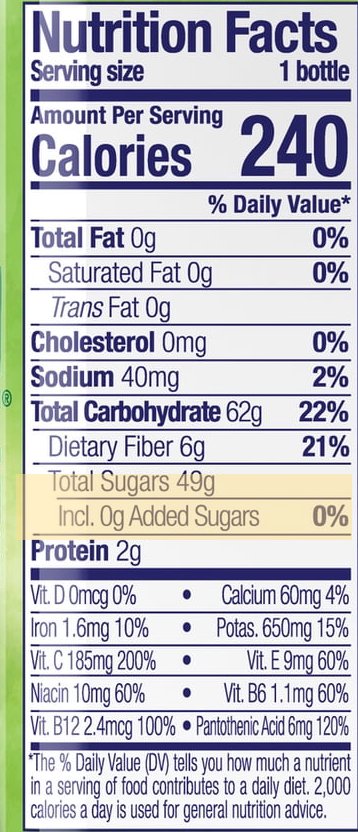
Naked Green Machine smoothie bottle with a no added sugar claim on the front
Nutrition Facts panel showing 49 grams Total Sugars and 0 grams Added Sugars
49 g
Total sugars
0 g
Added sugars

"Naked" Green Machine says "no added sugar" on the front, and that is true. But the fruit and vegetable juice still add up to 49 g of Total Sugars, about 12 teaspoons, in one bottle. Check the Total Sugars line, not just "Added Sugars."

Where it shows up at the store

Same snack, two labels. The pre-sweetened cup has added sugar stirred in, the plain Greek cup lets you add your own fruit, and the Total Sugars tell the real story.
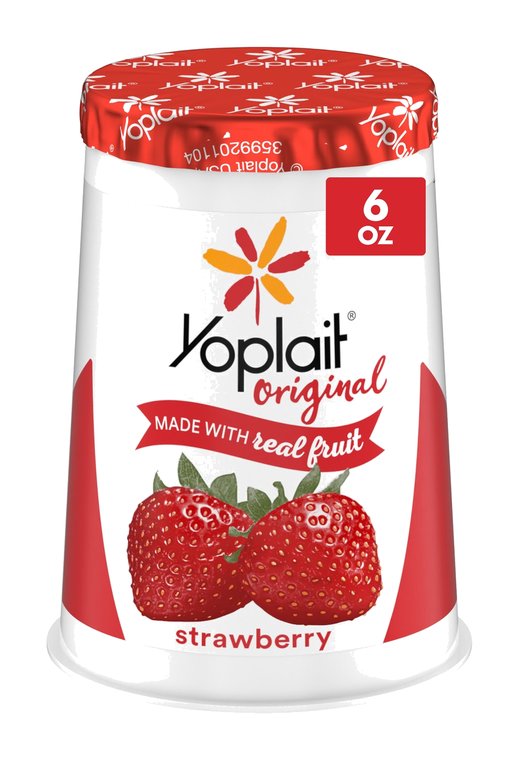
Yoplait Original strawberry yogurt cup
"Yoplait" Original strawberry6 oz cup
18 g total sugars
13 g of that 18 g is added. It is sweetened with sugar on top of the natural sugar in the milk and fruit.
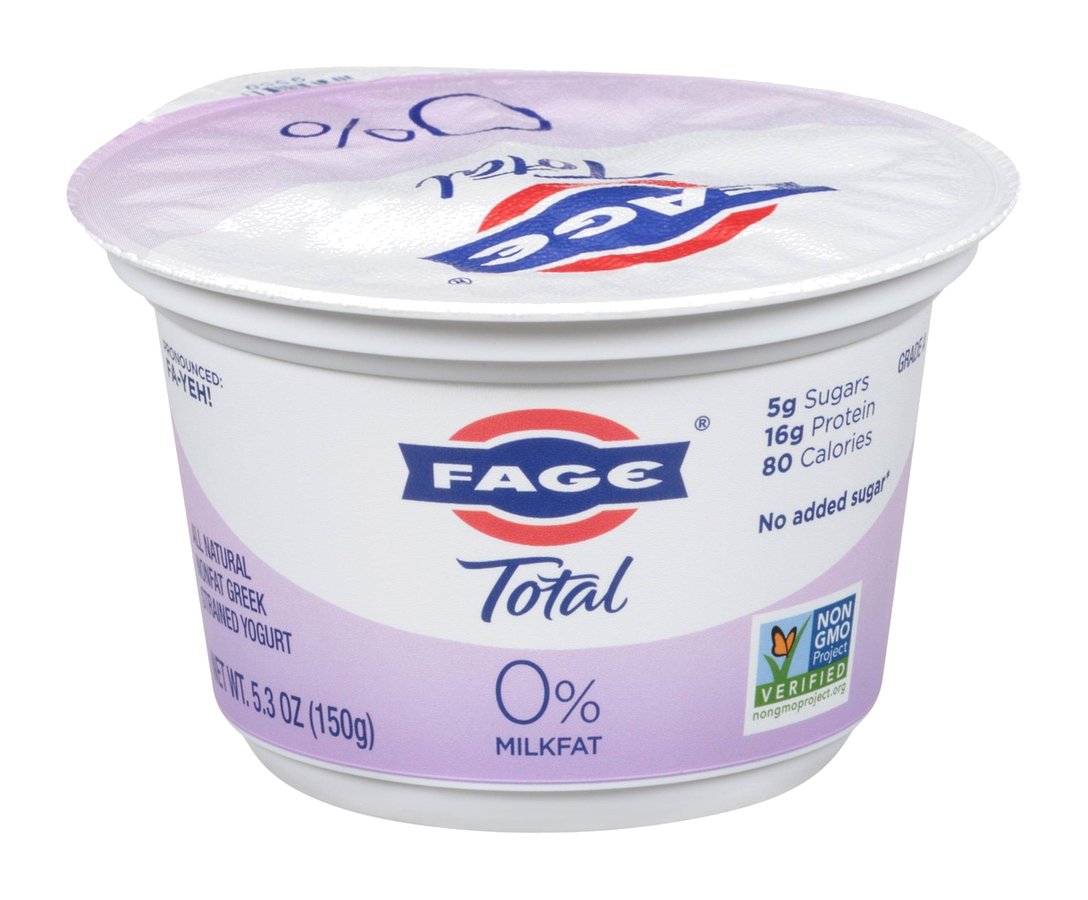
Plain 0 percent fat Greek yogurt cup
0% fat plain Greek yogurt"Fage" Total 0%, 5.3 oz cup
5 g total sugars16 g protein
All 5 g is the natural lactose in the milk, nothing added. Stir in your own berries and you control the sweetness.

What jumps out

๐Ÿ”Ž
"No added sugar" is not "no sugar"
A no-added-sugar smoothie, juice, or dried fruit can still be high in sugar, because the fruit brings its own. The claim is about what was stirred in, not the total.
๐Ÿ“
Natural sugar is real sugar too
The fructose in fruit and juice and the lactose in milk and yogurt all land on the Total Sugars line. They are real sugar, your body just does not care where it came from.
๐Ÿท๏ธ
Read the Total Sugars line first
On the label, "Total Sugars" is the full amount and "Includes Xg Added Sugars" is a piece of it. Start with the total, then look at how much was added.
๐ŸŽ
Whole fruit still earns its place
Whole fruit has natural sugar, but its fiber slows digestion and fills you up, so the sugar hits gently. That is different from the same sugar sipped as juice.

The bottom line

Total sugar and added sugar are not two separate things to track. Added sugar is simply the slice of the Total Sugars that someone stirred in.

  • Look at Total Sugars to see how much sugar you are actually eating, natural and added together.
  • Look at Added Sugars if you want to know how much was stirred in, but remember it is already counted inside the total.

No food is off limits here. Knowing your Total Sugars just means the label can never sneak one past you, and you get to decide what fits your day.

In FoodFlip terms

Sugar is a carbohydrate, so it already lives inside your Carb Portions. You do not count sugar on its own, you count the Portion it sits in, whether that is a piece of fruit, a cup of milk, or a sweet treat.

For a balanced meal, pair that carb with 1.0 P (a palm of protein) + 1.0 V (a cup of veggies) + 1.0 F (~1 Tbsp of fat) so the sugar lands gently.

Want a plan built for you?

Custom FoodFlip Portions, simple recipes, and a community that cheers you on.
Get my plan

More from the blog

Psyllium vs inulin... what's the difference??

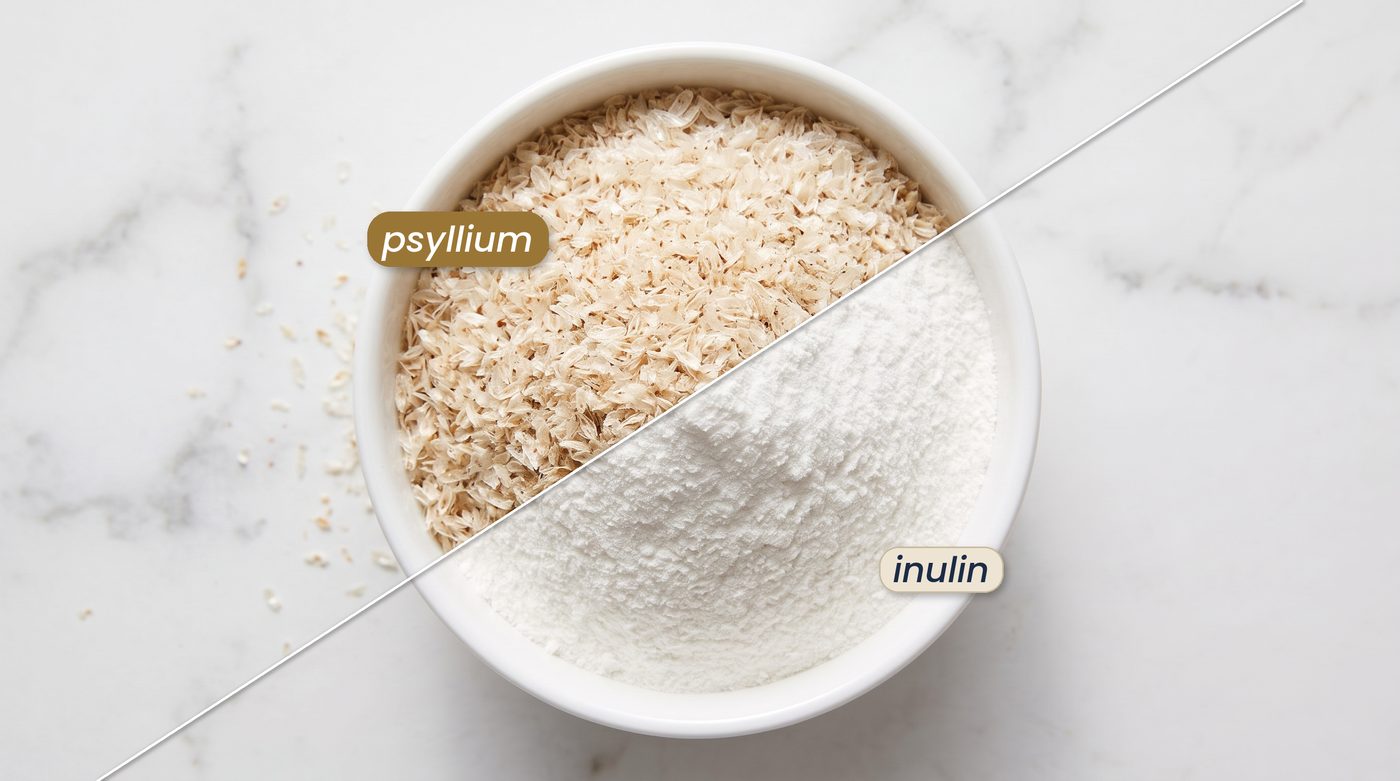
Psyllium (the fiber in Metamucil) and inulin (chicory root fiber) are both soluble fiber, but they do opposite jobs. Psyllium soaks up water into a thick gel that bulks and softens stool, lowers cholesterol, and causes little gas. Inulin is a prebiotic that your gut bacteria ferment, so it feeds your microbiome but is the one more likely to cause bloating. Here's the side-by-side, plus why inulin hides in so many packaged 'high fiber' foods.

November 22, 2026 ยท 3 min read

Black beans vs white beans... what's the difference??

Black beans and white beans are nearly the same calories, protein, and carbs, and both count as one FoodFlip Carb Portion. The real difference is the minerals: black beans bring more fiber and folate, while white beans bring more iron, potassium, and calcium. Here's the side-by-side at one Carb Portion (about 1/2 cup cooked), plus the texture difference, black beans stay firm while white beans go creamy.

November 21, 2026 ยท 3 min read

Chia seeds vs flaxseeds... what's the difference??

Chia seeds and flaxseeds are both tiny fiber and omega-3 powerhouses, and both count as a Fat Portion. The everyday difference is how you use them: chia digests fine whole, while flaxseeds have to be ground so your body can absorb them. Here's the side-by-side at one Fat Portion (135 calories): chia brings more fiber and calcium, the omega-3 is a tie, and flax is the seed to reach for when you want lignans.

November 21, 2026 ยท 3 min read