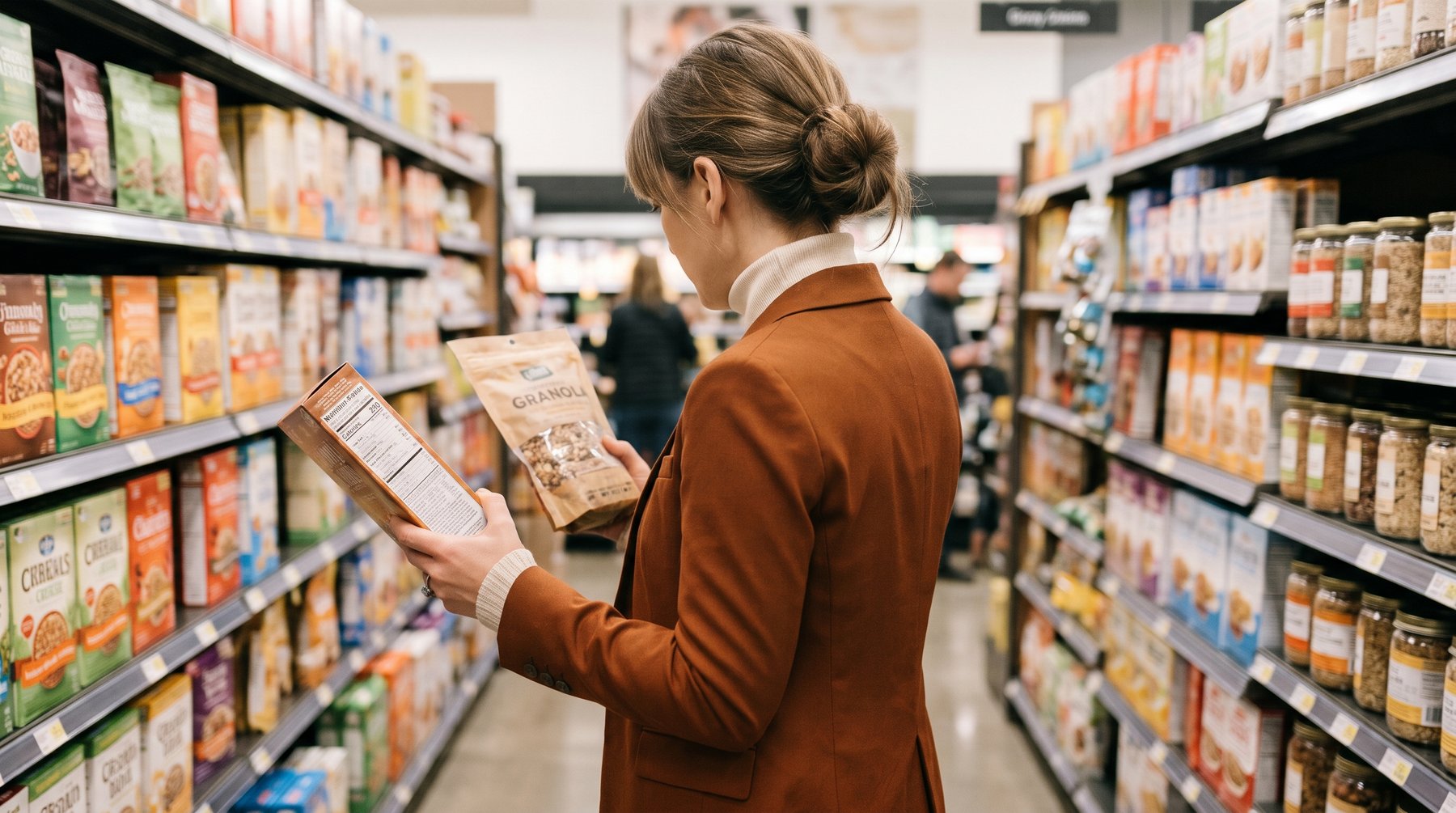
You're standing in the cereal aisle,
and your eyes glaze over at all the options...
One box says "excellent source of fiber."
The one next to it says "made with whole grain."
A third shouts "reduced sugar!"
They all sound healthy. ...But which to choose? What do these nutrition claims actually mean??
Some claims on the front of the package are legally defined by the FDA. "Reduced fat" has a clear rule behind it. So do "excellent source," "low sodium," and "lean."
But some, like "multigrain," "natural," and "made with real fruit," aren't so clear...
So let's decode nutrition claims!
Here's what we'll cover:
7 claims:
1. "Free" claims (like "fat free")
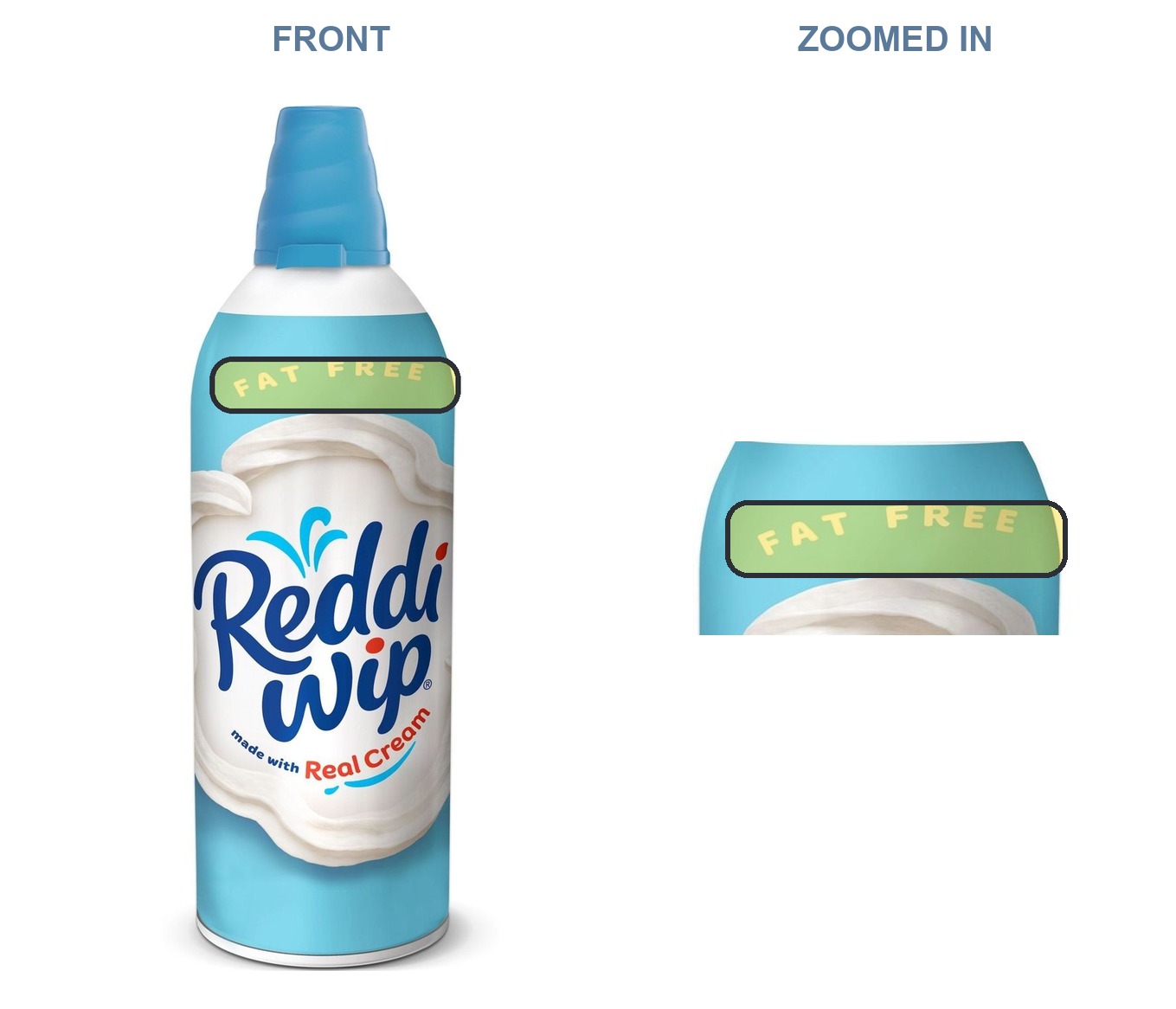
"Free" means a tiny, nutritionally meaningless amount per serving. Not always a true zero, but close.
Calorie free: fewer than 5 calories
Sugar free: less than 0.5g sugars
Fat free: less than 0.5g fat
Saturated fat free: less than 0.5g saturated fat, and less than 0.5g trans fat
Cholesterol free: less than 2mg cholesterol
Sodium free: less than 5mg sodium
The catch: "free" is per serving. If the serving on the label is tiny and you eat three of them, you're not in "free" territory anymore. This is exactly how "zero calorie" cooking sprays work. The serving is a quarter-second spray.
2. "Low" claims (like "low sodium")
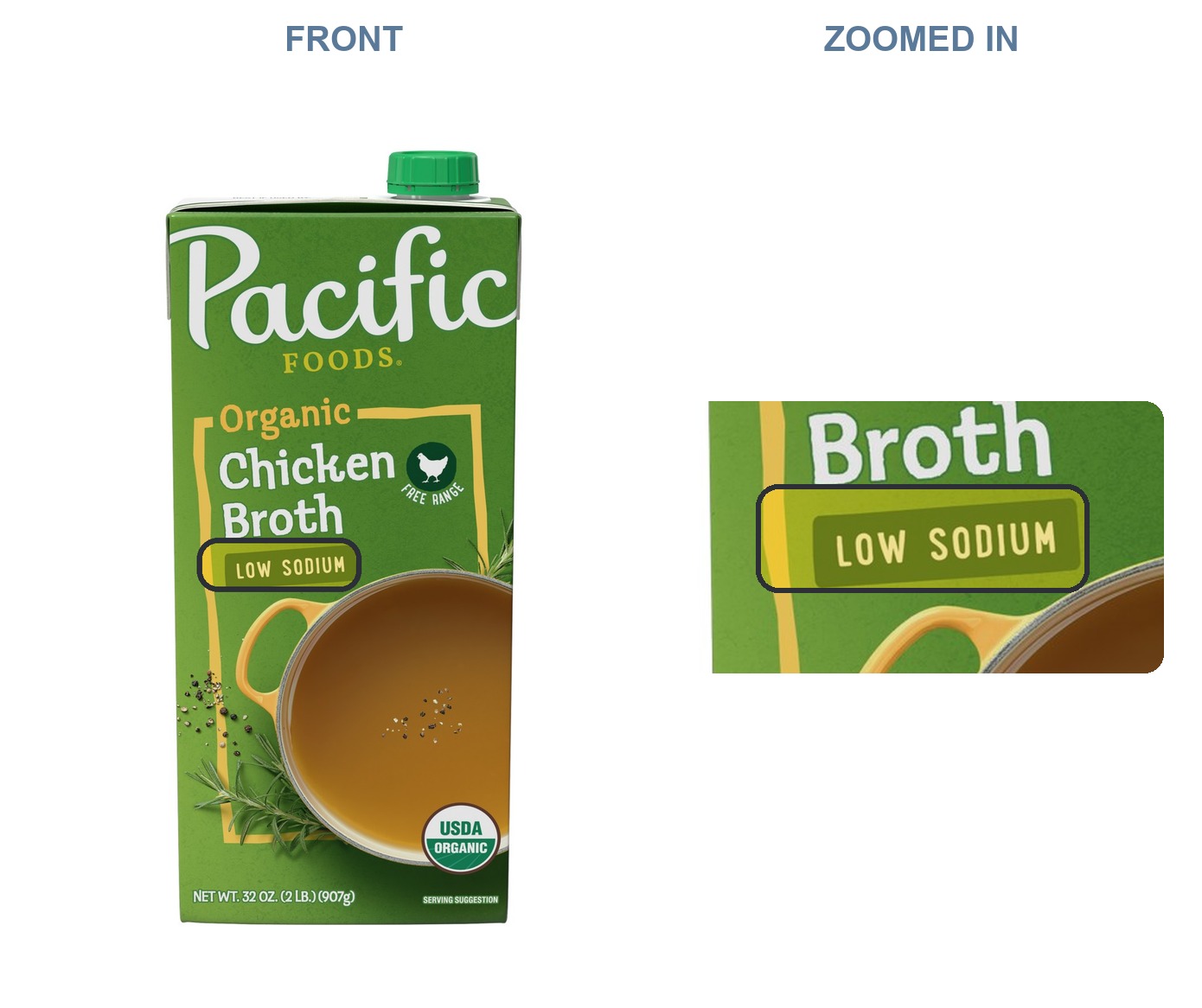
"Low" means you can eat it pretty freely without the nutrient adding up.
Low calorie: 40 calories or less per serving
Low fat: 3g or less
Low saturated fat: 1g or less
Low cholesterol: 20mg or less
Low sodium: 140mg or less
Very low sodium: 35mg or less
"Low" is the one I actually trust at a glance, especially for sodium. If you're watching salt, "low sodium" (140mg or less) is a much stronger promise than "reduced sodium." More on why in a second.
3. "Reduced" and "less" claims (like "reduced fat" and "less fat")
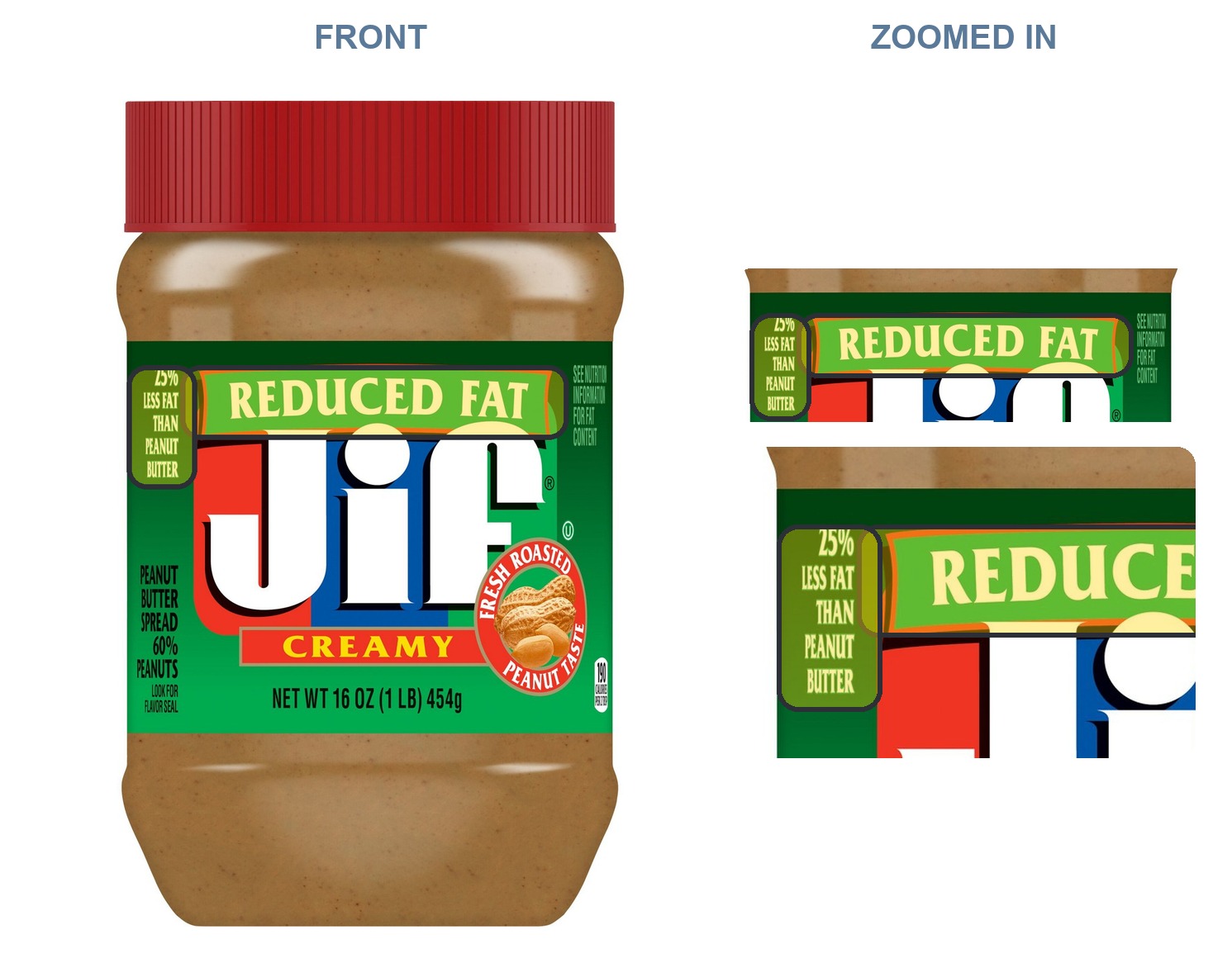
Here's where people get fooled the most.
"Reduced" or "less" just means 25% less of something than the regular version.
That's it. 25% less than whatever the original product had.
"Reduced fat" and "less fat": at least 25% less fat than the regular product
"Reduced sodium" and "less sodium": at least 25% less sodium
"Reduced sugar" and "less sugar": at least 25% less sugar
"Reduced calorie" and "fewer calories": at least 25% fewer calories
Why this trips people up: 25% less of a LOT can still be a lot.
Reduced-fat peanut butter is a classic. They pull out some fat, then add sugar and fillers to make up for it. You end up with roughly the same calories and more added sugar than the original.
My rule: "reduced" is only meaningful if the original was high in that thing to begin with. Reduced sodium on a normally salt-bomb product? Worth a look. Reduced fat on something that was never the problem? Skip the hype and check the actual label.
4. "Light" claims (sometimes spelled "lite", like "lite syrup" or "light")
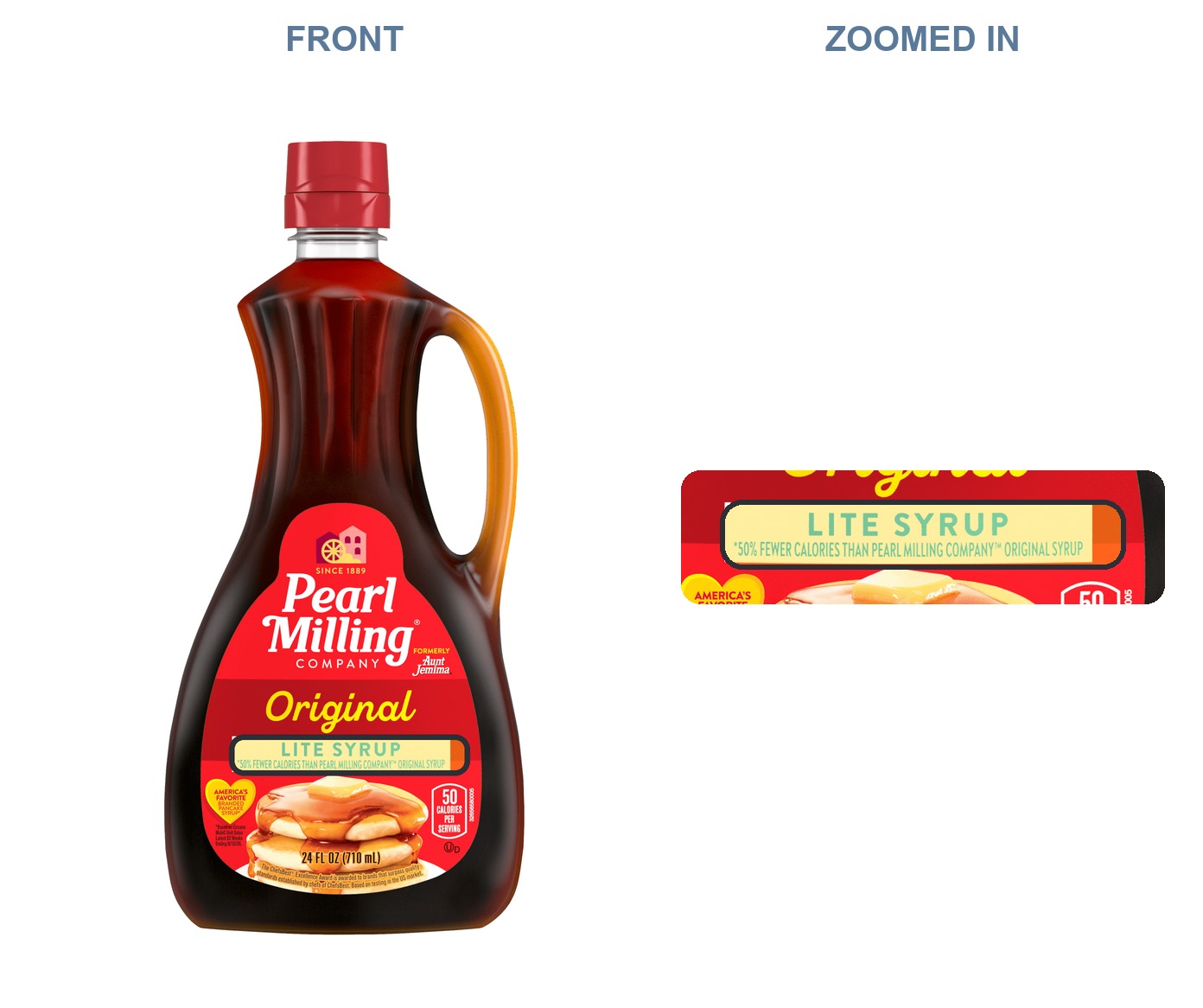
"Light", sometimes also spelled "lite", is allowed to mean one of two things:
One third fewer of a nutrient than the regular version (33% reduced); can refer to calories, fat, or sodium, OR
Half the fat of the regular version (50% reduced fat).
For example, "light in sodium" can either mean (1) one third less sodium than the regular version (33% less sodium), OR (2) half the amount of sodium as the regular version (50% reduced)... this is confusing! Usually though, the package will specify how much was reduced.
See other examples
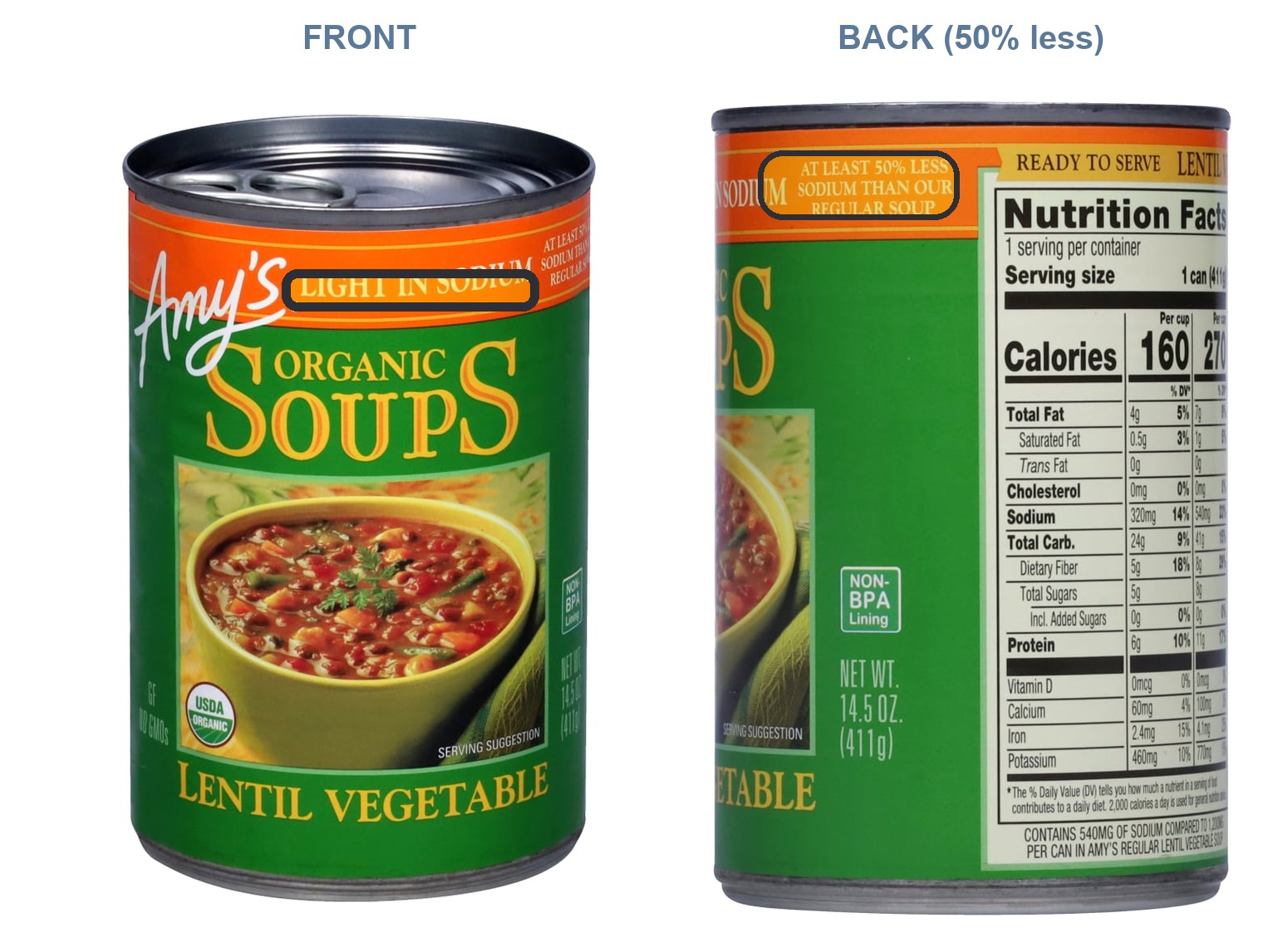
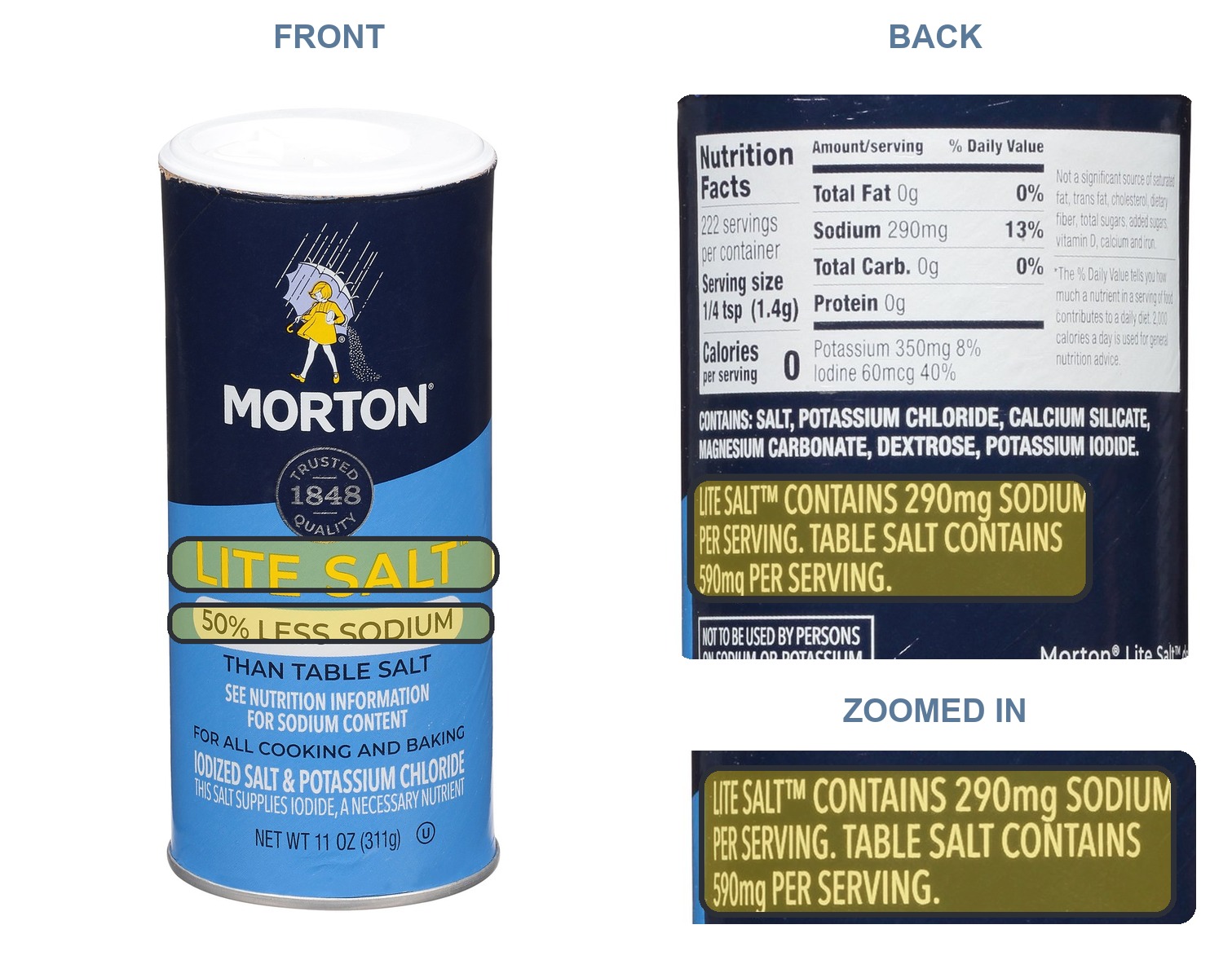
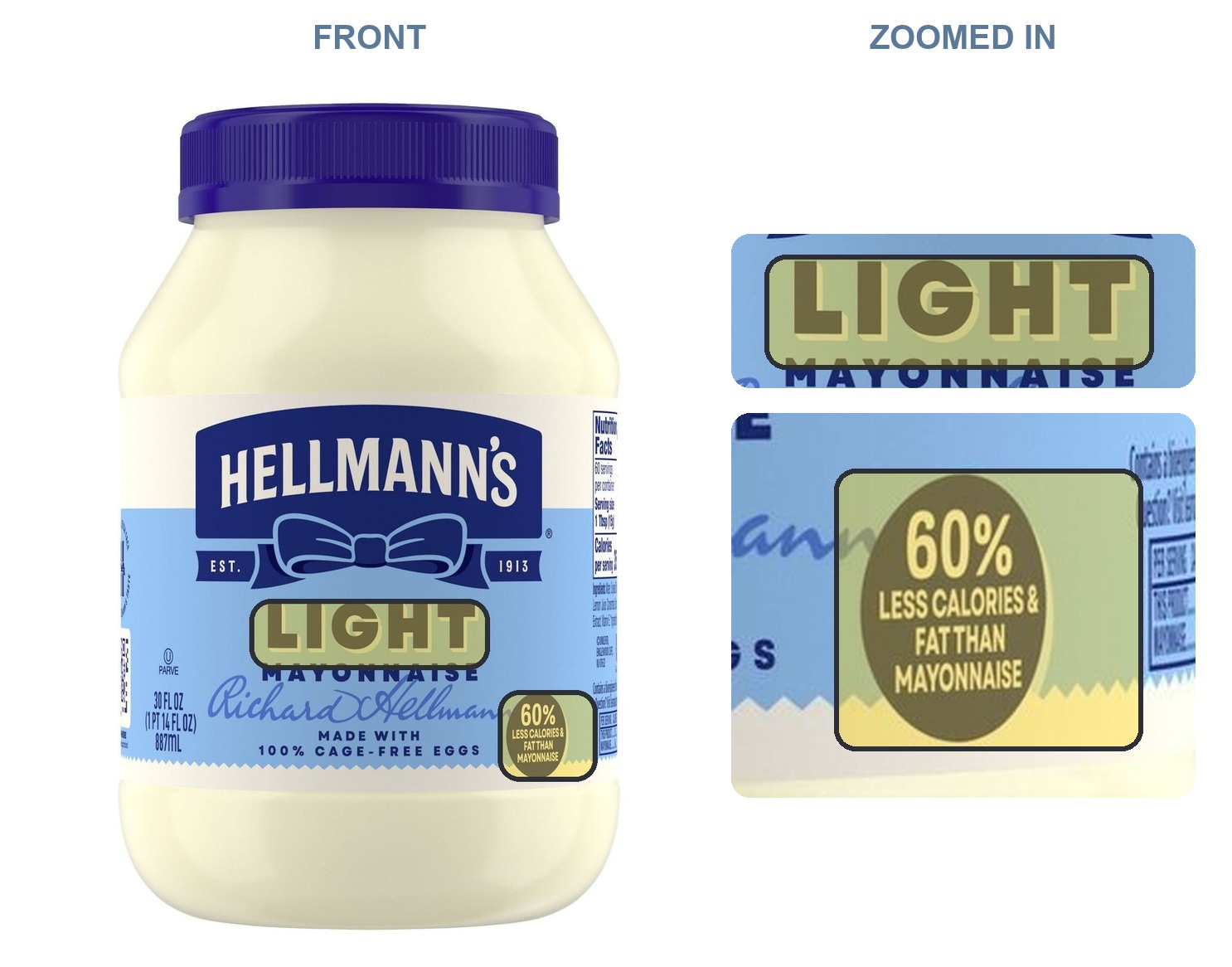
And there is a third meaning: (3) sometimes, annoyingly, "light" just describes color or texture, like "light brown sugar" or "light olive oil". See example.
5. "Good source" vs "excellent source" (like "excellent source of fiber")
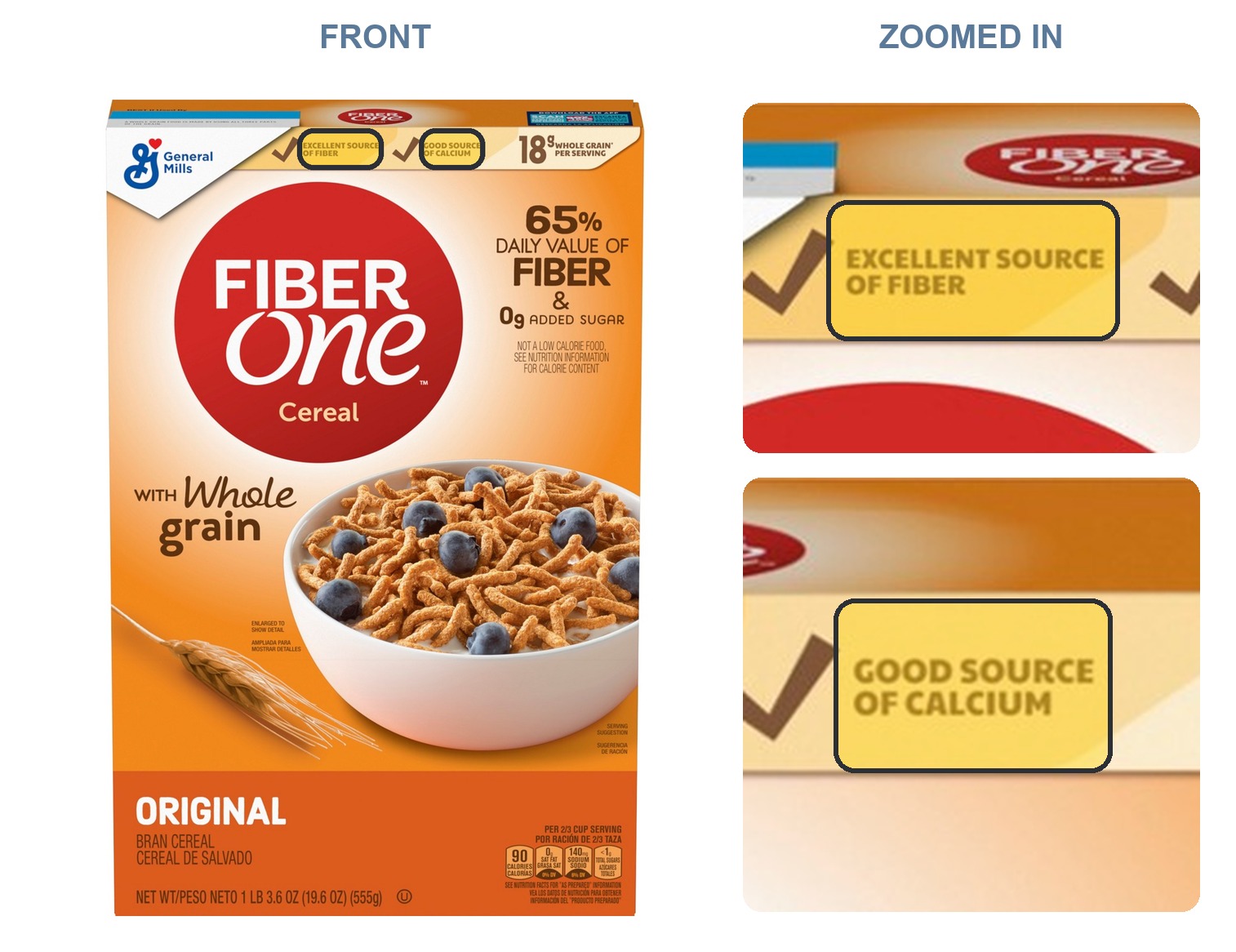
These two are some of the most useful claims on the whole package, because they're tied to the Daily Value (DV), the little percentages on the Nutrition Facts panel.
"Good source of " means 10 to 19% of the Daily Value per serving
"Excellent source of " (also written as "high in" or "rich in") means 20% or more of the Daily Value per serving
So "excellent source of fiber" literally means one serving gives you at least 20% of the day's fiber. That's a real, checkable promise.
"More," "added," "extra," or "fortified" means at least 10% more of the Daily Value than the reference food.
These claims actually reward the nutrients we want MORE of: fiber, protein, calcium, potassium, and vitamin D. When I'm shopping for the good stuff, "excellent source" is a green light.
6. "Lean" and "extra lean" (meat, poultry, and seafood only)
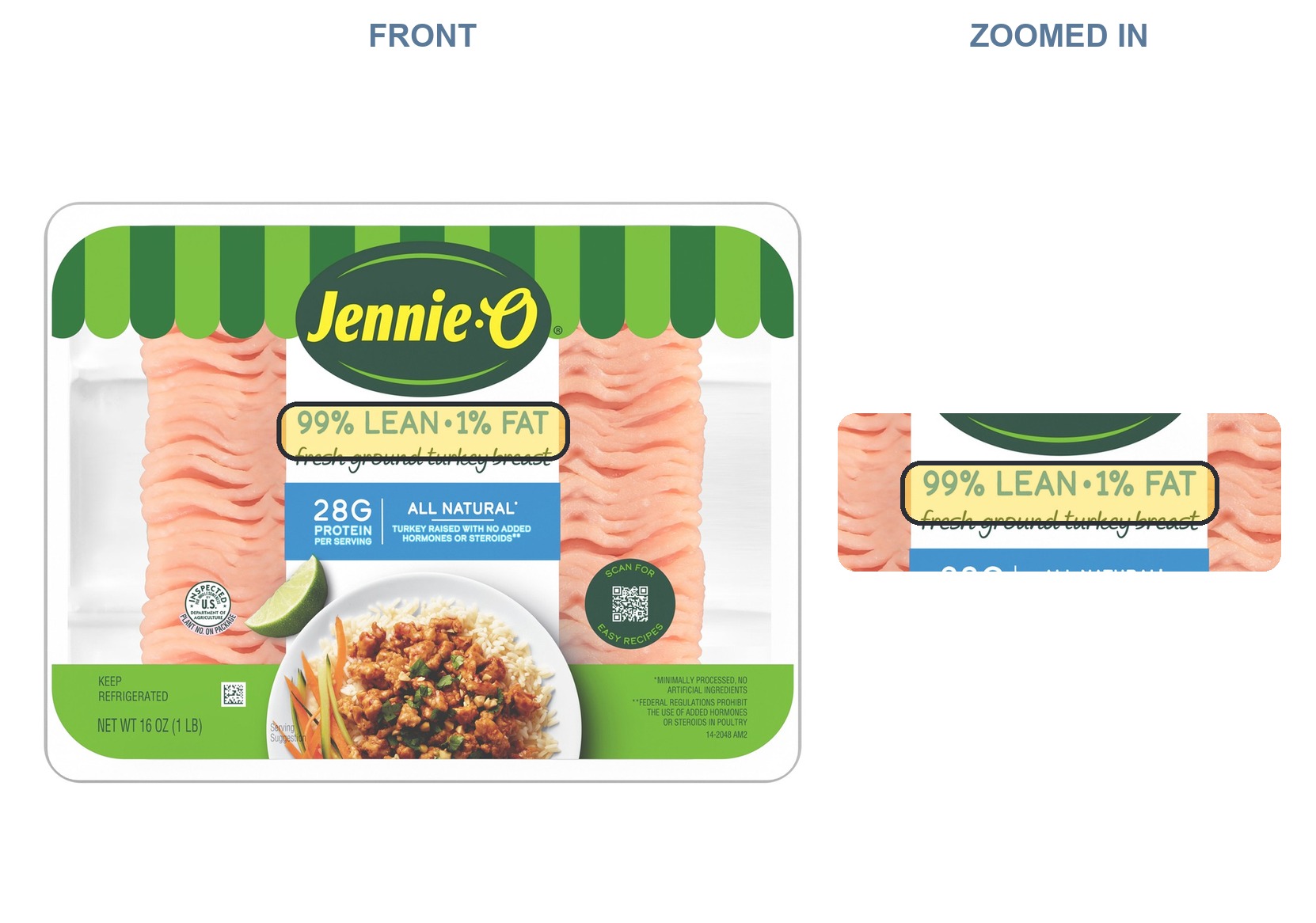
These are specific to animal proteins, and they're per serving.
Lean: less than 10g fat, 4.5g or less saturated fat, and less than 95mg cholesterol
Extra lean: less than 5g fat, less than 2g saturated fat, and less than 95mg cholesterol
Handy when you're standing at the meat counter. "Lean" ground beef and "extra lean" are real, regulated differences, not just vibes.
7. "Healthy" claim
The claim "healthy" was redefined in 2024.
The FDA updated the official definition of "healthy" on packaging. Now, to legally say "healthy," a food has to:
actually contain a meaningful amount of a real food group (fruit, vegetable, grain, dairy, or protein), and
stay under limits for added sugar, saturated fat, and sodium per serving. More specifically (these are set as a small share of your Daily Value, so the exact cutoff shifts a little by food group):
added sugar: no more than about 1g per serving for most foods (2% of the Daily Value), with a bit more allowed for dairy and grains
saturated fat: no more than about 1g per serving for most foods (5% of the Daily Value), with up to 2g allowed for dairy, eggs, and some meats
sodium: no more than 230mg per serving (10% of the Daily Value)
In plain terms: a food can't just be low in one bad thing anymore. It has to bring something good to the table AND keep the junk in check. Sugary cereals and white bread that used to wear the "healthy" badge don't automatically qualify now. That's a real win for shoppers.
Words that mean little to nothing
Not every front-of-package word is regulated. Plenty of them are pure marketing. These have no official FDA definition:
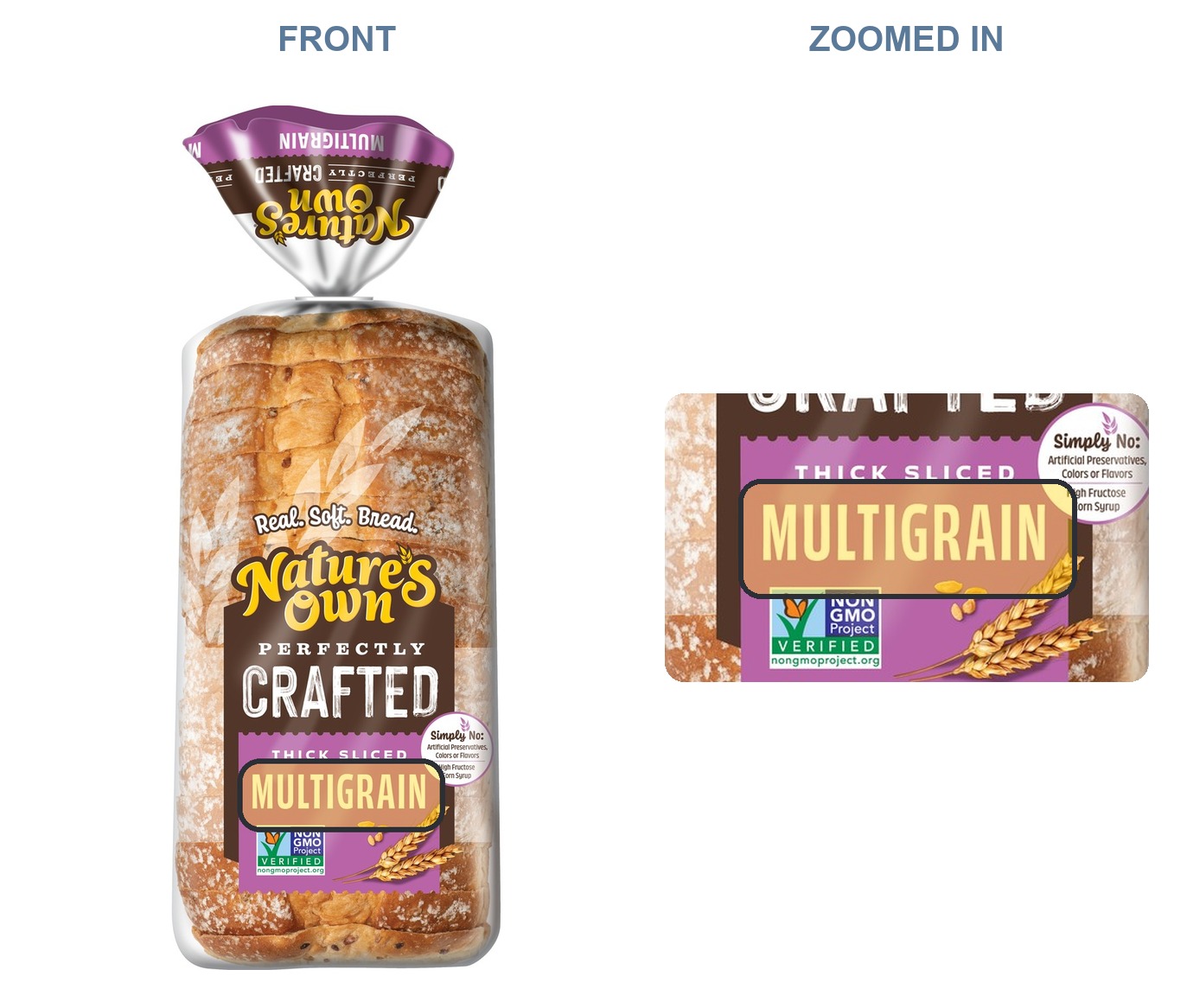
"Multigrain" just means more than one grain; could still be all refined.
See example
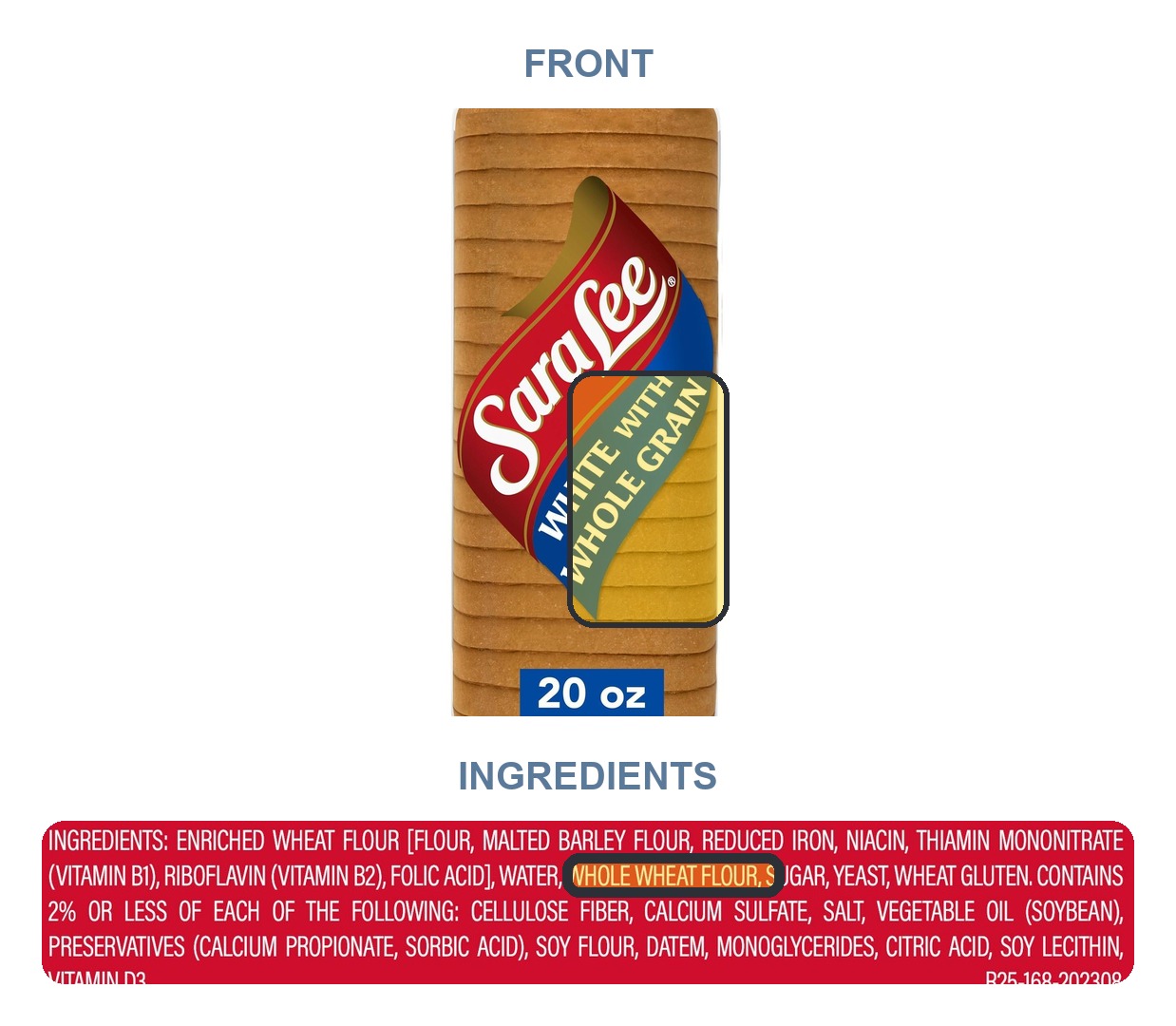
"Made with whole grain" could mean a sprinkle of whole grain. Since ingredients are listed in order from highest to lowest quantity by weight, check to see where the "whole grain" is in the ingredient list (whole grain includes things like whole wheat, brown rice, oats, and quinoa).
See example
"Natural" has no real definition for most foods. It doesn't mean organic, low sugar, or minimally processed.
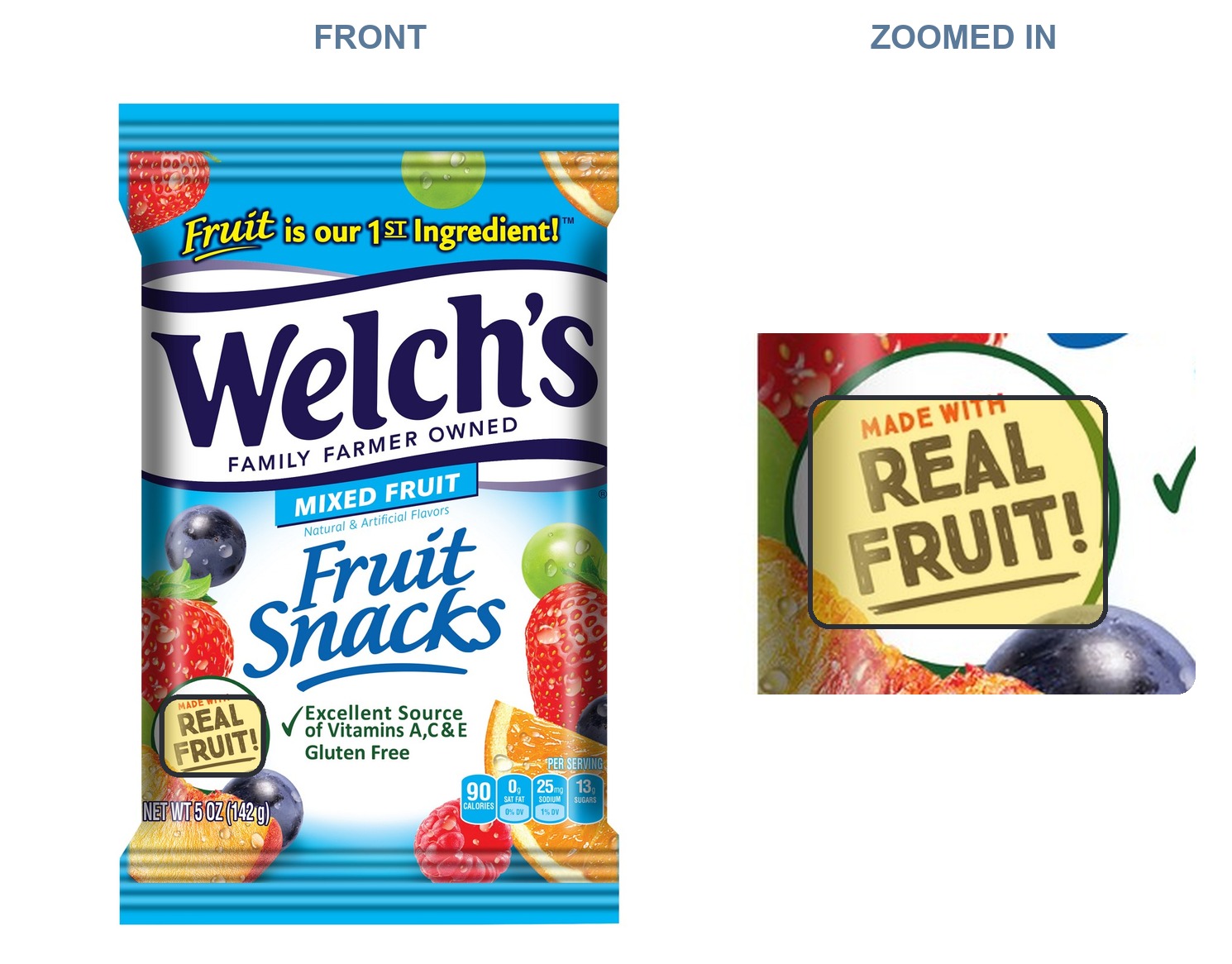
"Made with real fruit" can mean a splash of juice concentrate.
See example
"No added sugar" is defined, but it doesn't mean sugar free. The food can still be full of natural sugars.
See example
Just because there are "no sugars added" doesn't mean it's low in sugar.
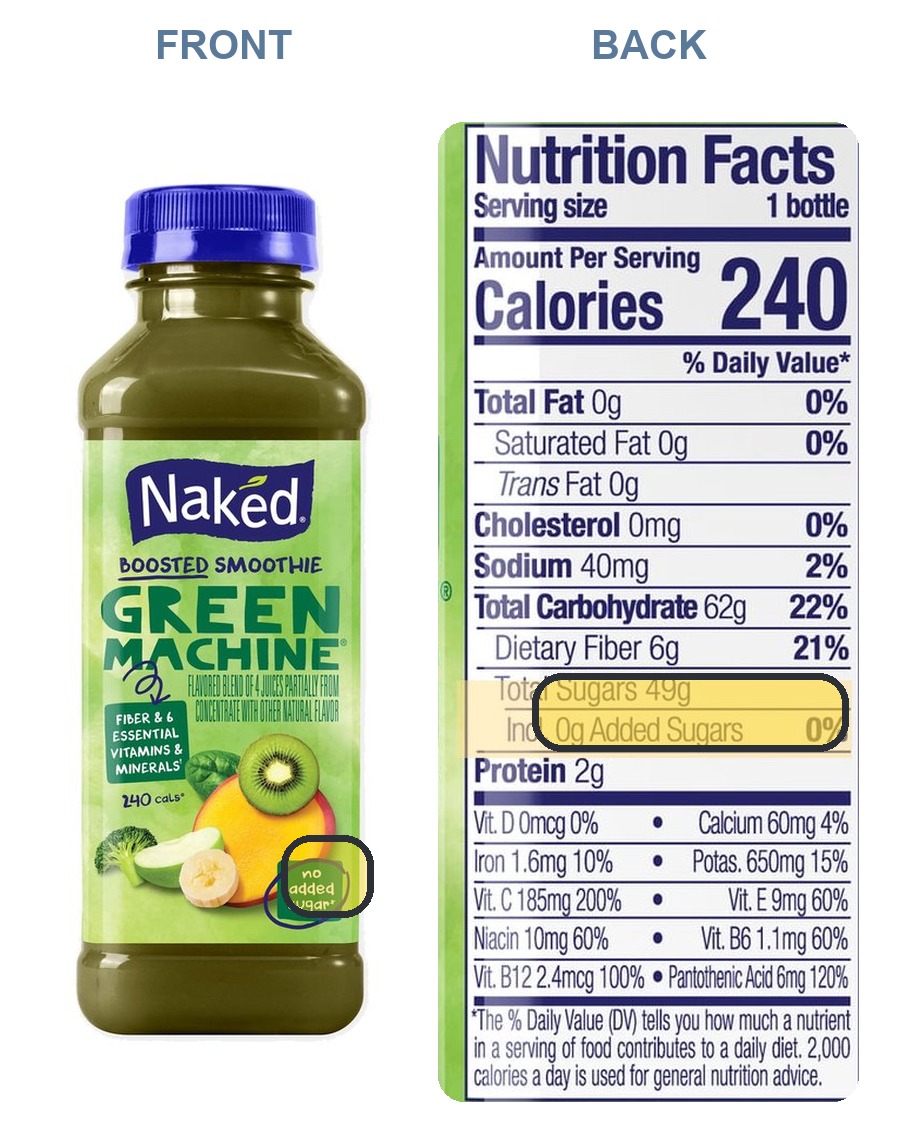
Here, even though there are no added sugars ("0g added sugars" on the Nutrition Facts), this juice, like most fruit juices, is very high in total sugars. Look at the Total Sugars line on the Nutrition Facts: 49g of total sugar is about the same amount of sugar as 12 teaspoons of table sugar!
Our bodies can't tell the difference between "naturally occurring" sugar and "added" sugar; both can affect the body the same way.
None of these are "bad." They're just not promises. When you see one, that's your cue to flip the box over and read the actual label.
FoodFlipper takeaway
If you want to cut down on a specific nutrient, look for "free" and "low". These are clear and helpful claims.
If you want to increase a specific nutrient, look for "good source" and "excellent source". These are also clear and helpful claims.
"Reduced" and "light" are relative claims... something that is "reduced fat" can still be high fat. Best to read the nutrition label to see how much fat it actually has.
Remember that whole foods (especially fruits, veggies, nuts, and seeds) typically don't have packages or nutrition claims... But if they did, they would say "Pick me!! I'm one of the best food options around!! Include me in your meals and snacks for so many health benefits!!"
The Nutrition Facts label has a TON of numbers... to simplify a healthy, balanced diet, use the FoodFlip Portion Method!
Ask Michelle to make your own Portion Cheat Sheet, by converting any Nutrition Facts label into FoodFlip Portions, so you know exactly how much fits into your custom nutrition plan. No more numbers overwhelm, just the simple, no BS way to easily enjoy your favorite foods while seeing results; no calorie counting required!
Once you know what the nutrition claims actually mean, you no longer have to be vulnerable to the food marketing and can start shopping based on your nutrition needs and preferences.
That's what I hope to help you do: make your own food choices, based on what matters to YOU, not based on what nutrition claims want you to believe.
Have questions or want more support? Reach out! I'm ready to help you get clear about nutrition, and help you build the health, body, and life you're proud of!!
Hugs,
Michelle
Want a plan built for you?
Custom FoodFlip Portions, simple recipes, and a community that cheers you on.